Sri Lanka has exploded in popularity as a travel destination, and for good reason. From ancient ruins and misty tea plantations to pristine beaches and world-class wildlife, this island packs an extraordinary amount of diversity into a compact space. But here's the catch: planning a trip to Sri Lanka is far more nuanced than booking a flight and winging it. The question every traveller faces is whether to go the DIY route or partner with a local travel agency. Having seen thousands of tourists navigate this decision, we can tell you the answer isn't as straightforward as travel bloggers might have you believe.
The Appeal of Self-Planning
We get it. The internet has democratised travel planning. You can browse TripAdvisor reviews, scroll through Instagram reels, and piece together an itinerary from a dozen different blog posts. Self-planning gives you a sense of control and the thrill of discovery. You choose the hotels, you set the pace, and you don't have to deal with a middleman. For experienced travellers who have navigated Southeast Asia or South America independently, it feels natural to approach Sri Lanka the same way.
Where DIY Planning Falls Short in Sri Lanka
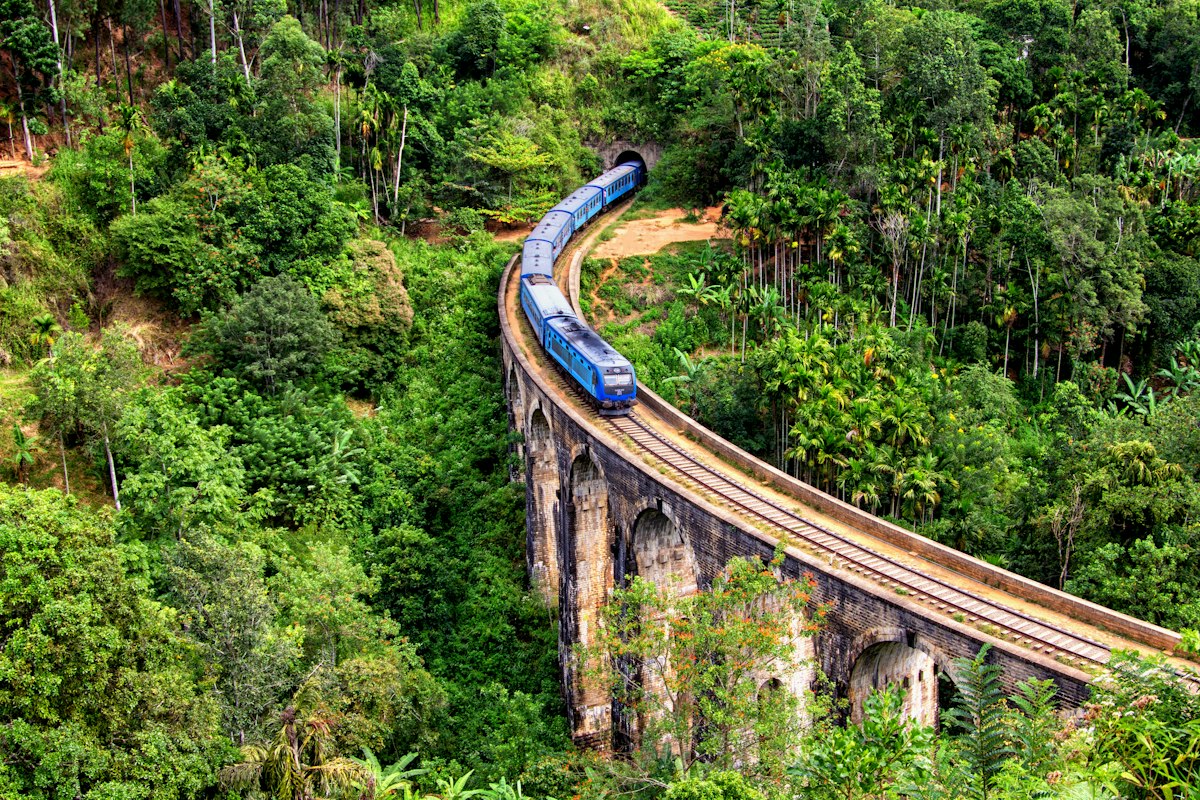
Sri Lanka, however, presents unique logistical challenges that catch even seasoned travellers off guard. The road network, while improving, is notoriously unpredictable. A distance of 100 kilometres that looks like a two-hour drive on Google Maps regularly takes four hours due to winding mountain roads, single-lane bridges, and unexpected diversions. During monsoon season, entire routes become impassable, and the island has two distinct monsoon systems affecting different coasts at different times of the year.
The Language and Communication Barrier
While English is widely spoken in tourist areas and major cities like Colombo, Kandy, and Galle, communication becomes significantly harder once you venture off the beaten path. Trying to negotiate with a tuk-tuk driver in Polonnaruwa, arrange a safari jeep in Yala, or explain dietary requirements at a local restaurant in Tangalle can be frustrating without a Sinhala or Tamil-speaking intermediary. A local travel partner eliminates this friction entirely, handling all ground-level communication seamlessly.
Hidden Costs That Add Up Fast
One of the biggest misconceptions about self-planning is that it saves money. On paper, cutting out the agency fee looks like a win. In reality, independent travellers frequently end up paying more. Without local relationships and bulk booking leverage, you'll pay retail rates for accommodation, full-price entrance fees at cultural sites, and premium prices for transport. A local agency negotiates rates year-round with hotels, drivers, and activity providers that simply aren't available to individual tourists booking online.
- Hotel rack rates can be 20-40% higher than agency-negotiated rates
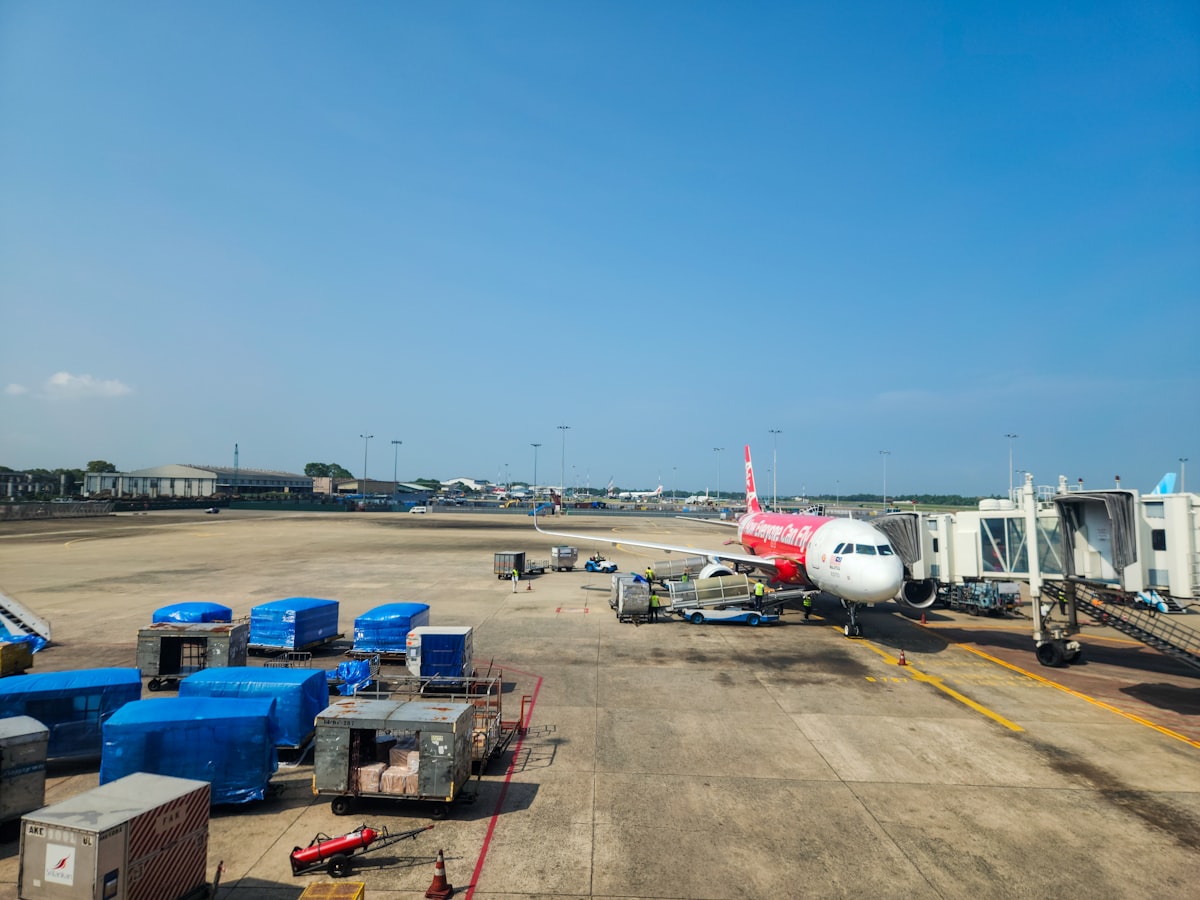
- Airport taxi scams can cost 3-5x the fair price for unsuspecting tourists
- Last-minute safari bookings in peak season often have inflated pricing
- Entrance fees at some sites have separate (higher) foreign tourist pricing that a guide can help navigate
- Fuel surcharges and toll roads are easily miscalculated when budgeting independently
Road Conditions and Monsoon Routing
Sri Lanka's road conditions are a topic that deserves its own section. The expressway from Colombo to Galle is excellent, but it's the exception, not the rule. Most roads connecting major tourist attractions are narrow, winding two-lane highways shared by buses, trucks, tuk-tuks, motorbikes, pedestrians, and the occasional cow. During the southwest monsoon (May to September), the roads to places like Sinharaja rainforest become treacherous. During the northeast monsoon (October to January), the routes to Trincomalee and Jaffna can flood. A local agency monitors conditions daily and reroutes you in real time.
The Monsoon Calendar Most Tourists Get Wrong
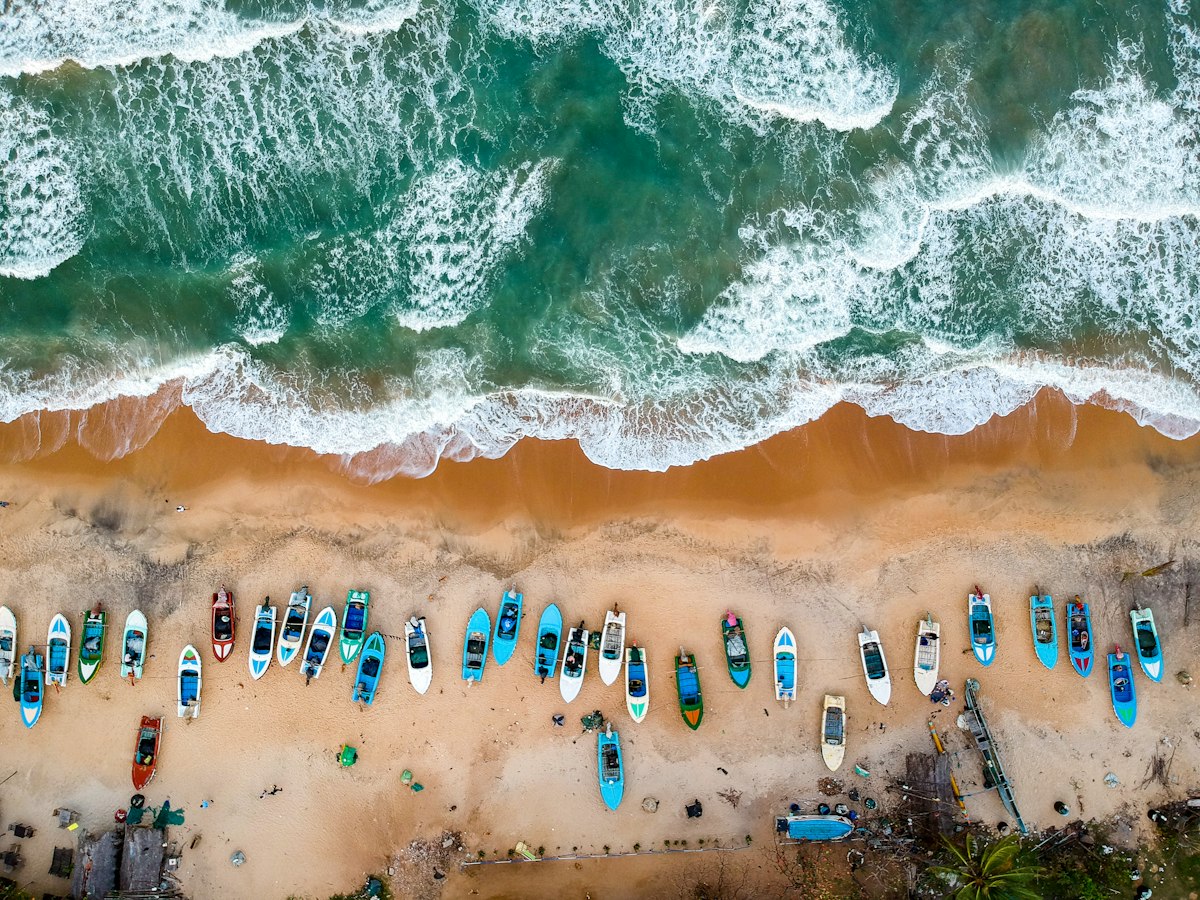
Here's something that trips up almost every self-planner: Sri Lanka doesn't have a single 'rainy season.' The southwest monsoon drenches the south and west coasts from May to September, while the northeast monsoon hits the east and north from October to January. The inter-monsoon periods (March-April and October-November) can bring rain everywhere. A local partner knows exactly which regions are optimal for each month and will route your trip accordingly, ensuring you're always one step ahead of the weather.
The Local Knowledge Advantage
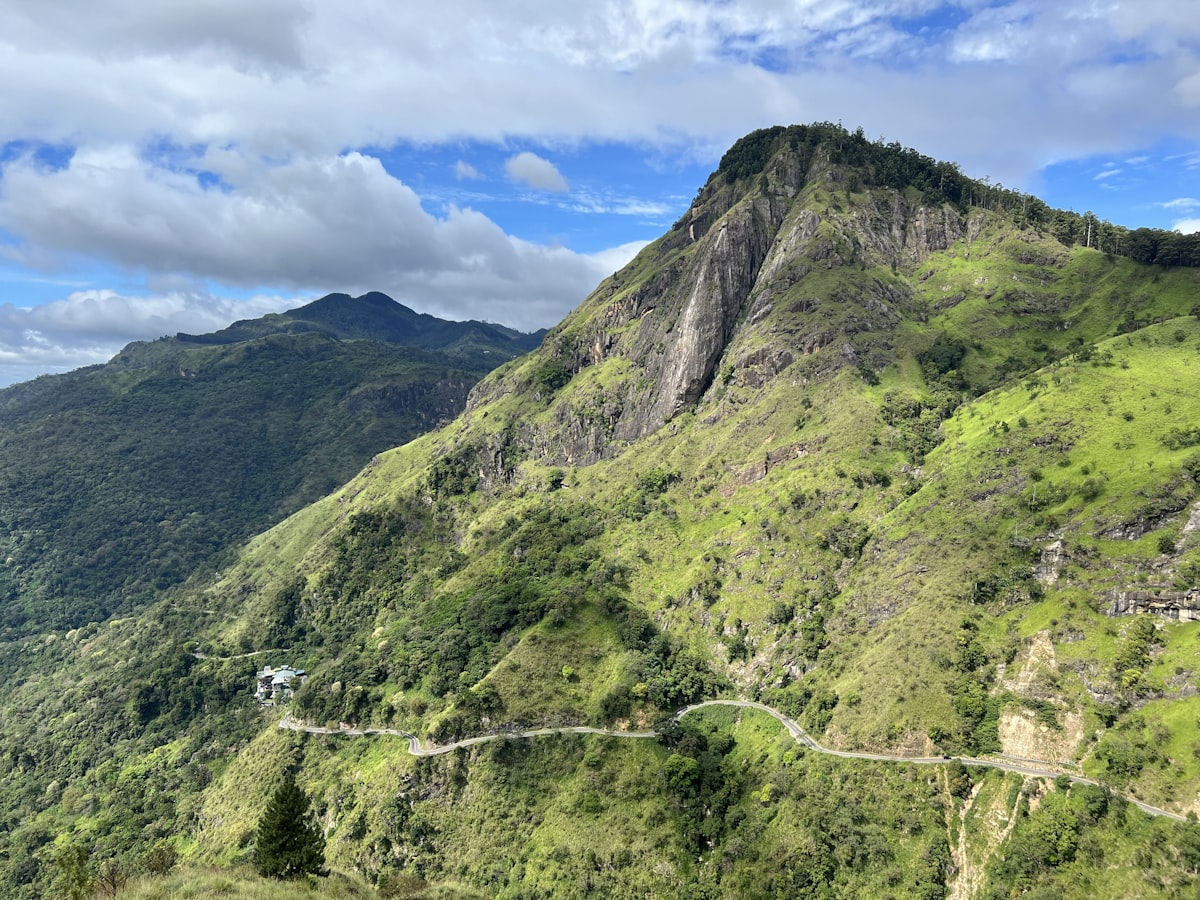
Beyond logistics, a local travel partner brings something no amount of internet research can replicate: lived experience and deep cultural knowledge. They know that the best time to visit Sigiriya is at 6:30 AM before the tour buses arrive. They know which family-run restaurant in Dambulla serves the best rice and curry. They know that the 'famous' viewpoint at Ella Gap has a better, less crowded alternative just 500 metres down the road. This insider knowledge transforms a good trip into an unforgettable one.
Safety and Peace of Mind
Sri Lanka is generally a safe destination, but incidents do happen. Vehicle breakdowns in remote areas, medical emergencies far from hospitals, sudden weather changes during hikes, or getting stranded when a train is cancelled are all real possibilities. A local agency provides a 24/7 support line, backup vehicles, and on-the-ground assistance that no travel insurance hotline can match. When something goes wrong at 11 PM in a remote village, having a local number to call is invaluable.
When Self-Planning Can Work
To be fair, self-planning can work well for certain types of travellers. If you're visiting only Colombo and the southern coast, speak some Sinhala, have visited Sri Lanka before, or are a digital nomad settling in one location for weeks, you may not need an agency. Similarly, ultra-budget backpackers who are comfortable with uncertainty and spontaneity can get by on their own. But for first-time visitors, families, couples on honeymoon, or anyone with limited time who wants to maximise their experience, a local partner is the smart choice.
The Bottom Line: Time, Money, and Stress
After years of helping travellers explore Sri Lanka, we've heard the same feedback over and over: 'I wish I'd booked with you from the start.' The tourists who try to DIY their first Sri Lanka trip often spend more money, waste time on logistical headaches, and miss experiences they didn't know existed. A local travel partner doesn't just plan your trip; they elevate it. They turn a holiday into a story worth telling. At Aitken Travels, we've been doing exactly that for decades, and we'd love to help you experience Sri Lanka the way it deserves to be experienced.